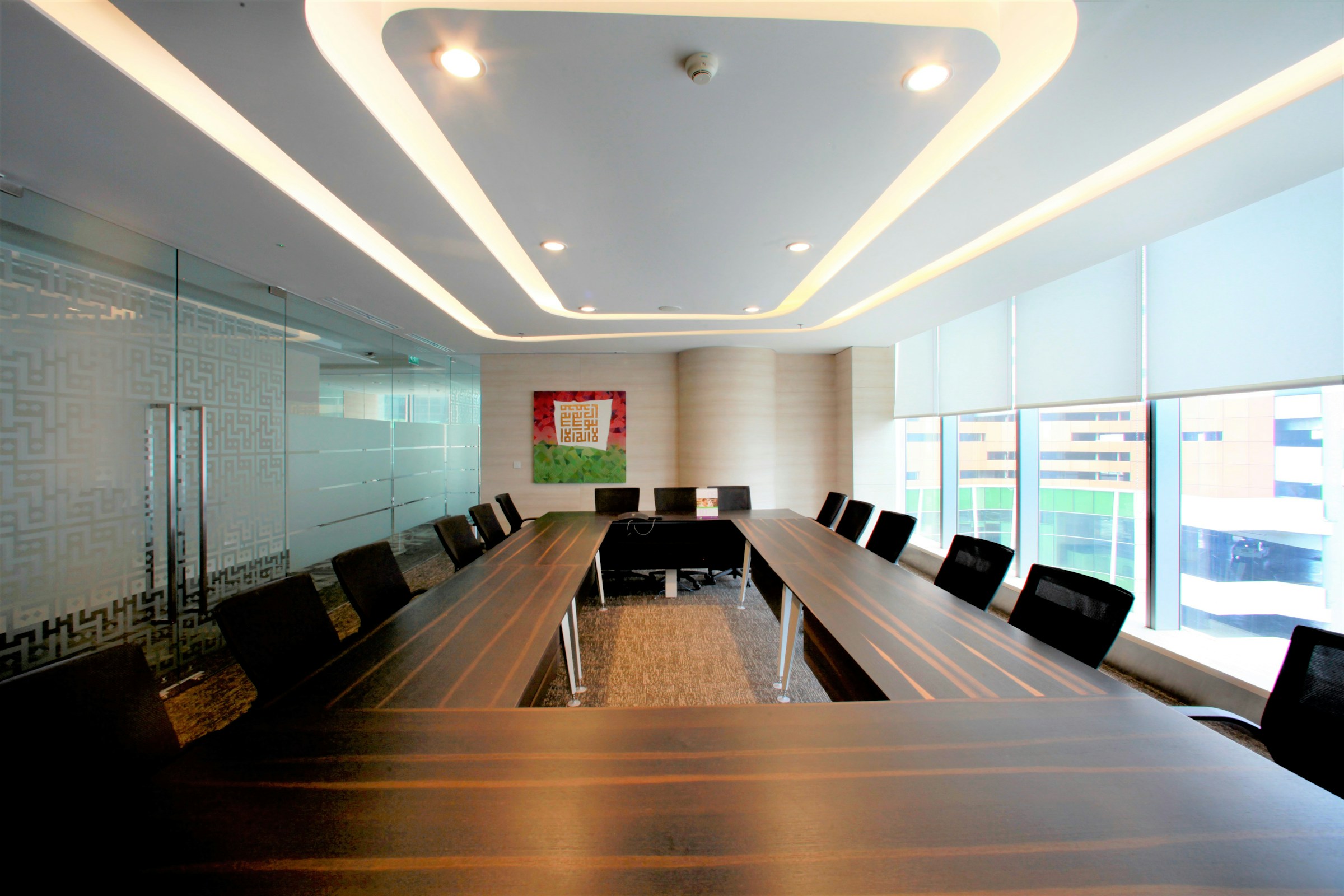
A large shingled resort hotel on a grass bluff above the California coast, with a few people standing on the lawn in front of it

CORPORATE TRIPS AND EXPERIENCES

An offsite takes three months to plan.
It does not have to be yours.

Leadership offsites, incentive trips, team retreats, client hospitality and the days either side of a conference — planned end to end for groups of eight to three hundred, with one point of contact and one invoice.

ONE BRIEF, ONE CONTACTHow a programme comes together THE SAN MATEO COAST · CALIFORNIA

FOR THE PERSON WHO ENDED UP OWNING THE OFFSITE

Corporate travel that somebody else does the chasing for.

We plan corporate trips and experiences: leadership offsites, incentive and reward programmes, all-hands retreats for distributed teams, client hospitality, and the two days either side of a conference you are already flying everyone to. Groups run from eight people to about three hundred.

You send a brief — headcount, rough dates, budget band, what the days have to achieve. We come back with options, a per-person cost with the extras already in it, and what we can hold while the approval goes through. Nothing is committed until you say so, in writing.

Tell us what the trip has to do
LEADERSHIP OFFSITEINCENTIVE TRIPTEAM RETREATCLIENT HOSPITALITYCONFERENCE EXTENSION

SOMEWHERE THE TEAM CAN ACTUALLY GET TO

Where is the team going?

Start with a place, or with what the days have to achieve.

The default answer for a European offsite, and usually the right one: direct flights from most of Europe and the US east coast, a euro cost base well under Paris or Amsterdam, and meeting space in converted palaces and river-front warehouses rather than a windowless hotel basement. Late September and October are the sweet spot.

Ninety minutes from Vancouver airport on one road, which makes arrivals simple for a group landing from four time zones. Lodges take a whole team without splitting it across properties, and the afternoon activity plans itself in either season — which matters when half the group would rather not be in a breakout room.

Where we put leadership groups of eight to thirty who need to be somewhere with no lobby and no other guests. A whole villa or estate means the conversation carries from the meeting room to the terrace to dinner, and nobody is hunting for a quiet corner. Pisa and Florence both work as arrival airports.

Serious value for a large incentive group, and no jet lag from anywhere in the Americas. Polanco and Reforma hold the hotels with real event space; the food and the museums do the work that a bought-in activity usually has to. Altitude is a genuine planning note — we keep day one light.

The reward destination people actually remember, which is the whole point of an incentive trip. It needs more lead time than anywhere else on this page — spring and autumn hotel space goes nine to twelve months out — and it needs proper briefing, because half the value is in the etiquette nobody tells you.

Short flights from both sides of the Atlantic, which makes it the compromise when a team is split between London and New York. Reykjavík handles the meeting days and the south coast handles the day that earns the photographs. Weather is a live variable and we build the alternative before you ask for it.

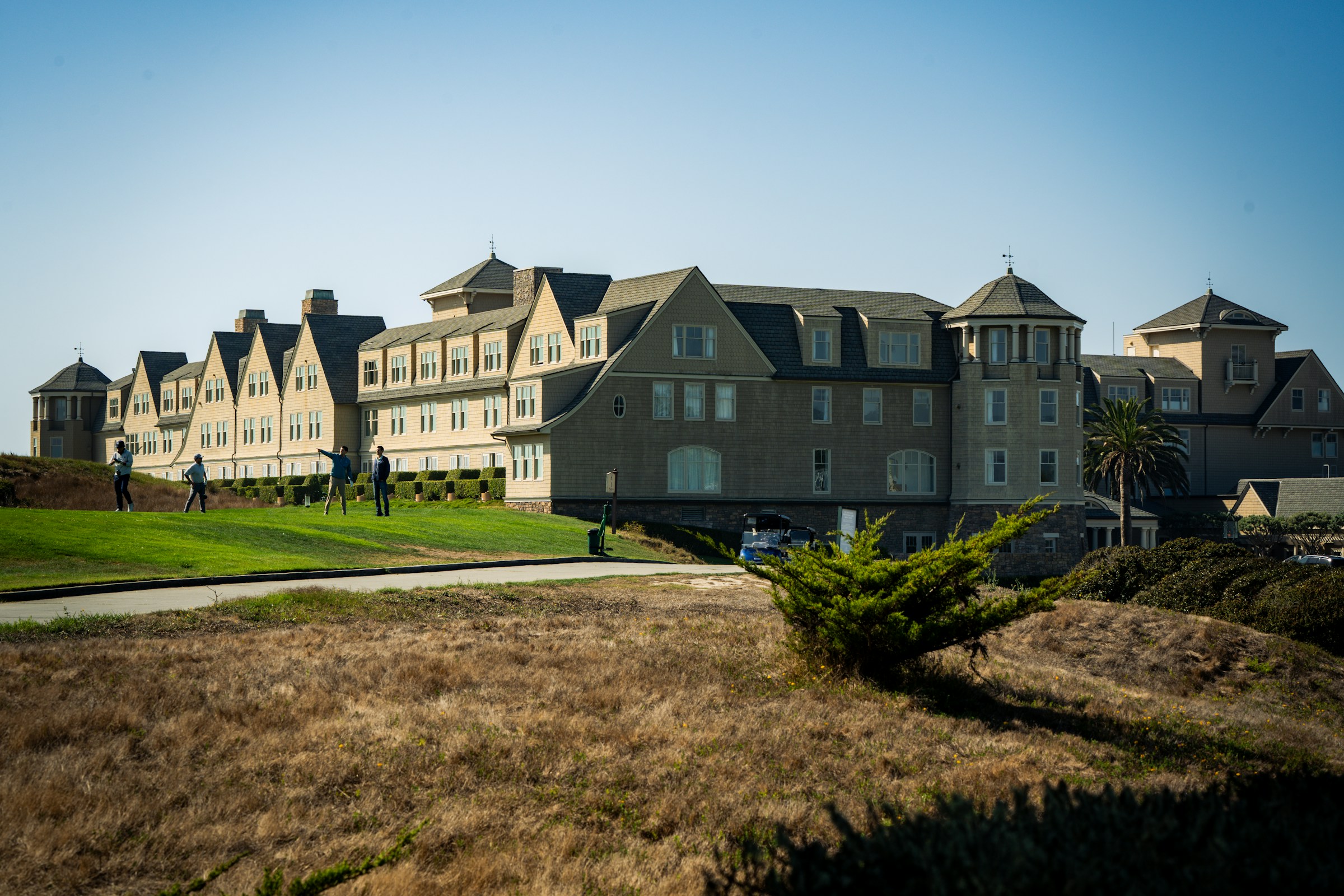
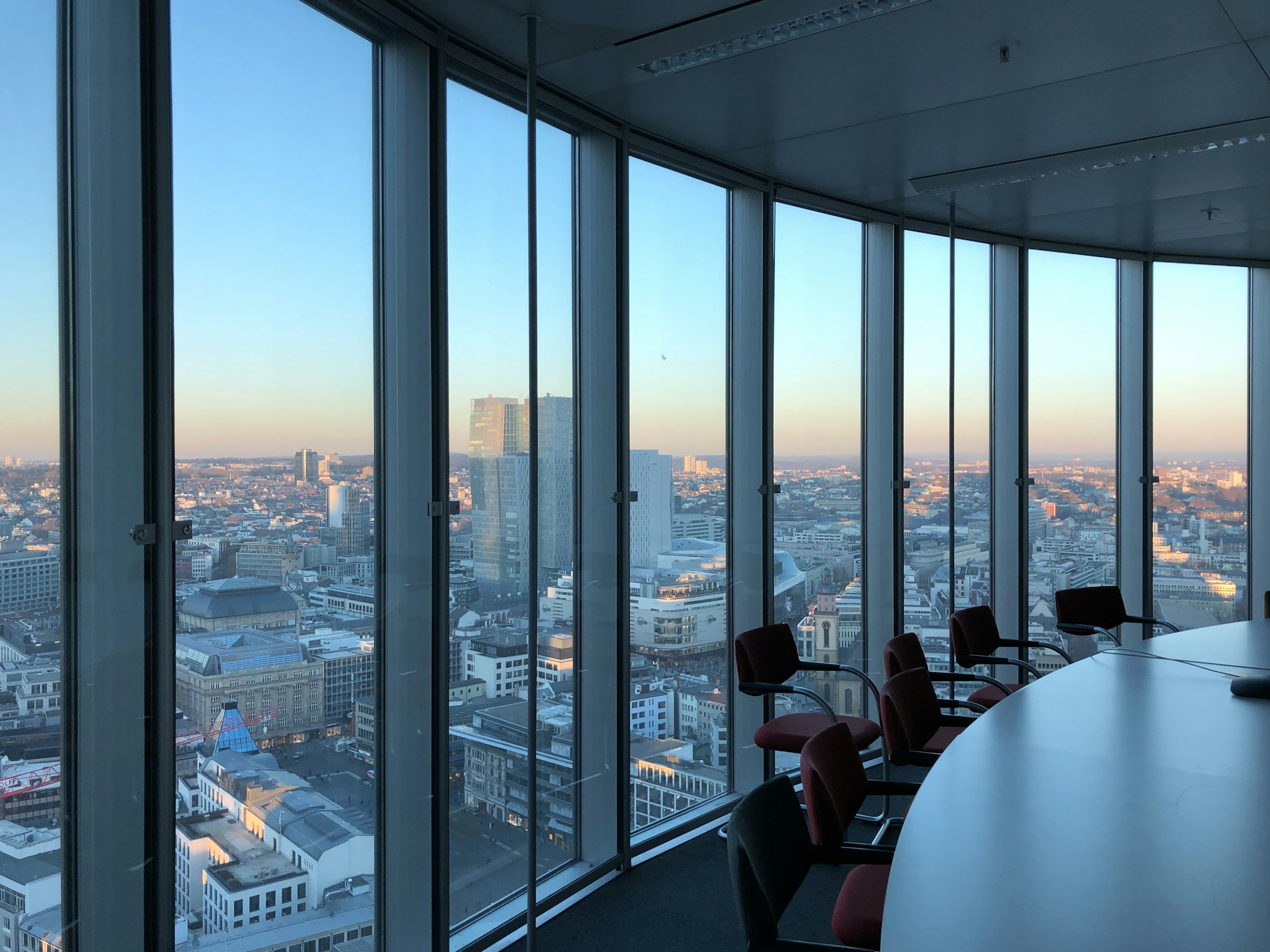
A corner boardroom high in a tower, chairs along a white table and glass walls looking out over a city at dusk

THE PART NOBODY BUDGETS FOR

A corporate trip is not a holiday.
It is a deadline with flights attached.

Somebody senior ends up owning it by accident — chasing passport details in a spreadsheet, holding forty seats on a personal card, rebooking the two people whose plans changed on the Friday before.
That work does not disappear, it just moves. We take the flights, the rooms, the ground transfers and the room block, and hand back a programme, a per-person cost and one invoice your finance team can actually process.

See how we work

WHAT THE DAYS HAVE TO DO

Five formats.
The brief decides which.

A leadership offsite and an incentive trip look alike in a photograph and nothing alike in a plan: one needs a room that holds a hard conversation, the other needs a night people repeat for a year. Tell us which this is, and the programme gets built that way.

An empty meeting room with a long table, chairs down both sides and daylight from the windows

Leadership offsite

A room that holds a hard conversation.

Eight to forty senior people, two or three days, and an agenda that has to survive contact with reality. We book the property whole where we can, put the meeting room somewhere with daylight, and keep the evenings unstructured so the real conversation has somewhere to happen.

HOW WE WORK

One brief in. One programme out.

Tell us the headcount, the rough dates, the budget band and what the days have to achieve. We come back within a week with two or three options, a per-person cost with the extras already in it, and what we can hold while you get approval.

01

One point of contact

One planner who knows the programme, from the first brief to the last transfer home — not a ticket queue and not a different name on every reply. You get a direct email and a phone number that is answered while the group is travelling, including the evening a flight goes wrong.

02

Priced for the whole group

One per-person cost with the transfers, the meeting space, the dinners and the taxes already inside it, so the number you take to finance is the number that gets invoiced. Partners, late joiners and anybody upgrading their own room are priced separately and visibly from the start.

03

Holds before commitments

We put courtesy holds on flights and rooms while your approval runs, and we tell you the exact date each one expires. Nothing is booked, nothing is charged and no name is confirmed until you tell us to proceed — and names can follow the seats later.

Start a brief with Claire

FIELD NOTES

Three write-ups, in plain language.

A six-week offsite, an incentive trip people still talk about, and what hosting clients abroad actually costs you.

A modern conference room set up and waiting, chairs pushed in around a long table

PLANNING

Planning an offsite in six weeks.

It is late, but it is not impossible. What you give up, what you must decide in the first week, and what still costs the same.

Read the note

Six weeks out, the constraint is not money. It is inventory. Whole-property buyouts are gone, the three obvious hotels in any city are gone for the good nights, and airline pricing has moved into the band where the last ten seats cost more than the first thirty. What is still available is genuinely fine — it is just not the shortlist you would have had in March.

The first week decides everything. We need the headcount within five, the two or three date options in order of preference, the budget band per person, and one named person who can say yes. With those four things a programme can be held in about seventy-two hours. Without them, the fifth week is spent re-pricing what the second week could have locked.

What we would drop first: the destination with one daily flight, the whole-property dream, and the elaborate evening activity. What we would not drop: the meeting room with daylight, the arrival-day dinner, and the buffer between landing and the first session. Those three do more for an offsite than anything you can buy later.

And the honest part — at six weeks you will pay perhaps ten to twenty per cent more on air than you would have at four months, and roughly the same on ground. Lead time buys choice far more than it buys discount.
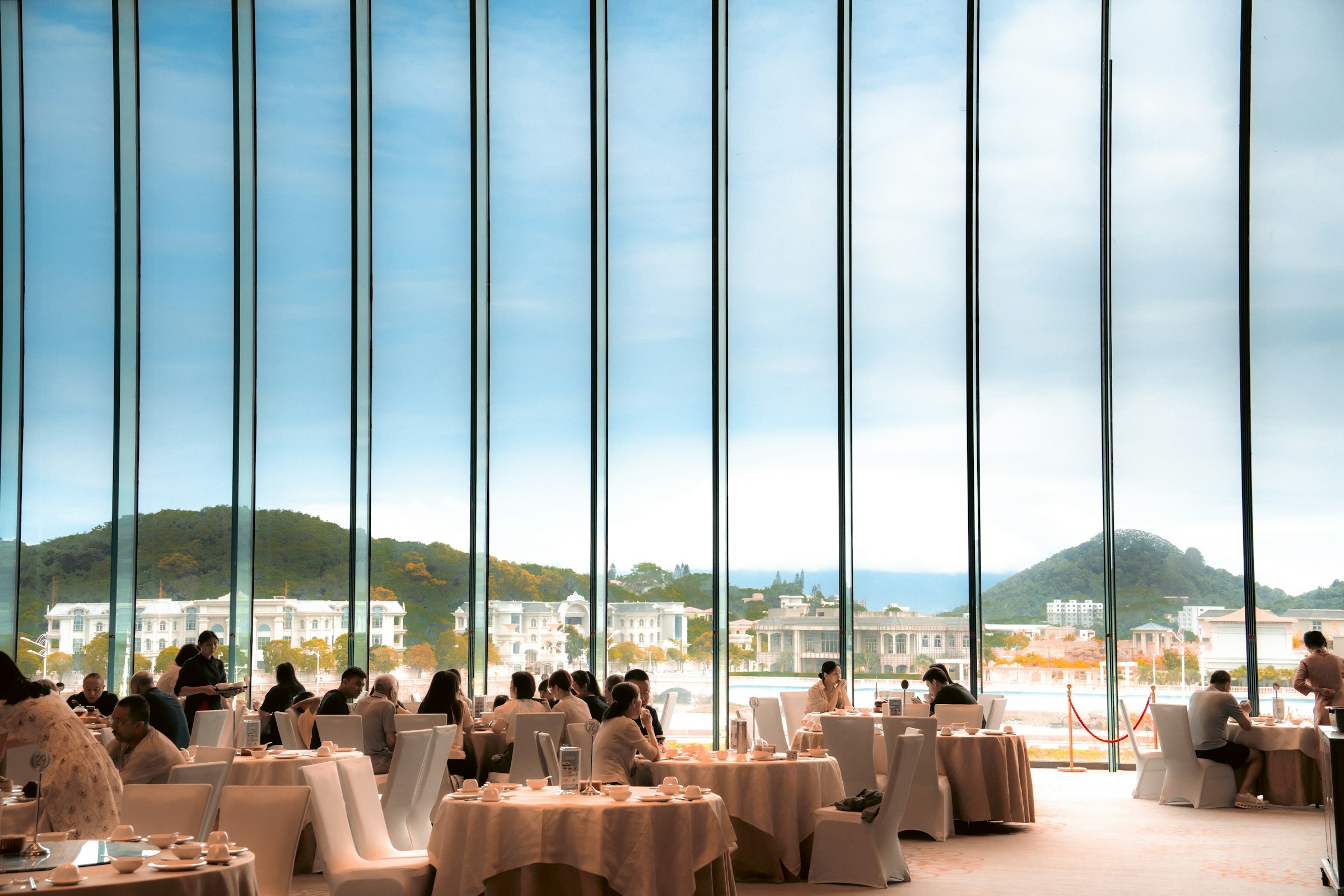
Diners at round tables in a restaurant with floor-to-ceiling windows looking out over a landscape

INCENTIVES

Incentive trips that people actually talk about.

Why the expensive parts are rarely the memorable ones, and where the budget is better spent.

Read the note

Ask anyone about an incentive trip a year later and they will not describe the hotel. They will describe one dinner, one view, and something small that was handled for them — the transfer that was waiting, the dietary thing nobody had to explain twice, the fact that their partner was looked after on the day they were in a meeting.

So we build the programme around one night that could not have been booked by an individual, and spend carefully everywhere else. A four-star property with an extraordinary dinner beats a five-star property with a hotel banquet, at roughly the same cost per head, every single time.

The second thing that separates a trip people repeat from one they endure is free time. A reward programme with every hour scheduled is a conference with better scenery. We plan two fixed points a day at most, and we leave the afternoon alone.

The last thing is the awkward one: qualification and optics. If partners are invited for some people and not others, or the reward band is visible in the room allocation, everyone notices. Tell us the qualification rules early and we will build a programme where the differences are not the first thing people see.

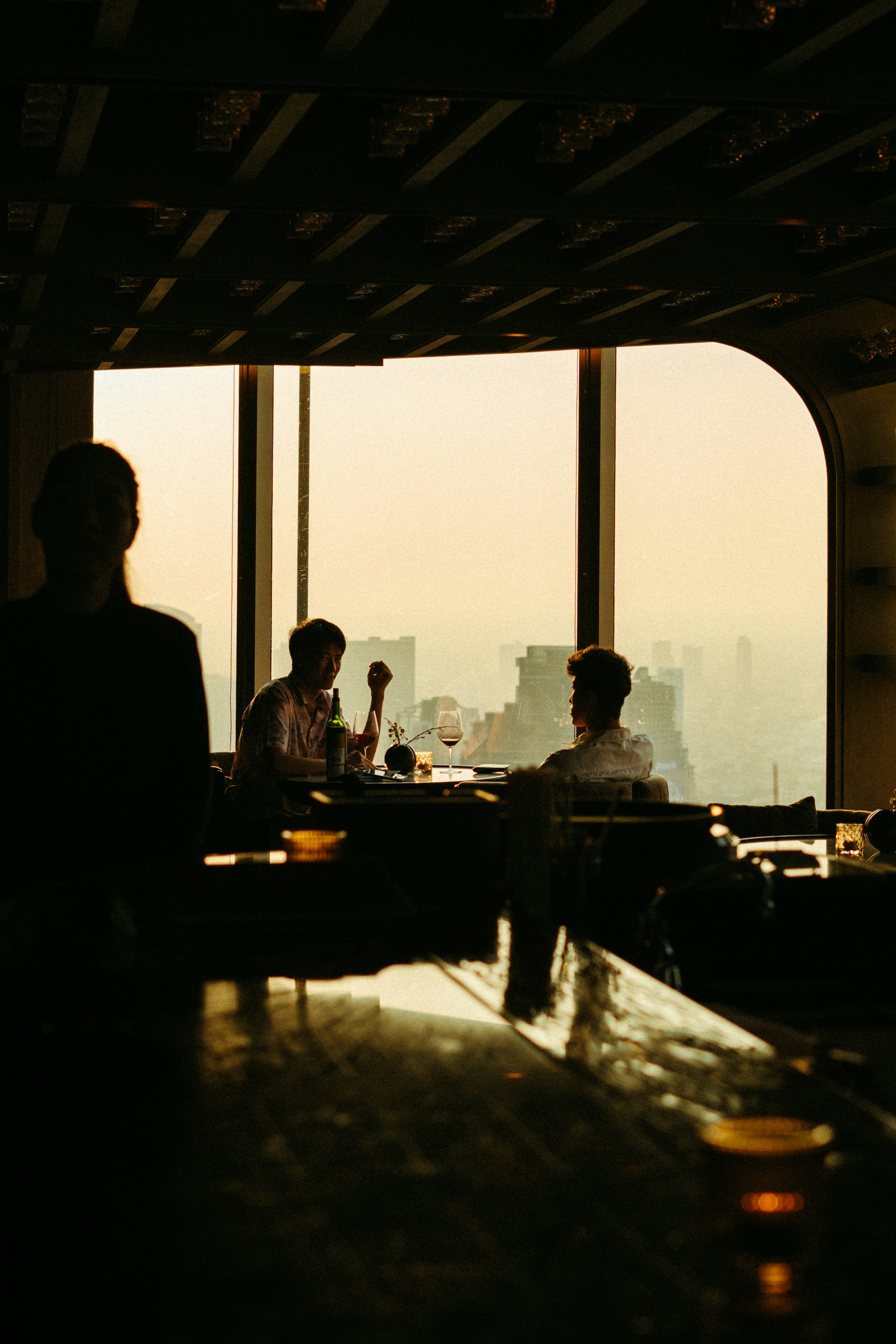
Two people talking over a table by a tall window in a high-floor bar, a hazy city skyline behind them at golden hour

HOSPITALITY

Hosting clients abroad, without the compliance headache.

What a hospitality programme has to document, who declares what, and why it is easier to plan for it than to explain it afterwards.

Read the note

Client hospitality is the one format where the plan has to survive a second audience: your own compliance function, and sometimes your guest’s. Most of the friction comes from the same three things — the value per head, who paid for what, and whether the invitation came with anything attached to it.

So we itemise from the outset. Travel, accommodation, meals and any entertainment are priced and invoiced as separate lines, per guest, so a declaration can be made accurately without anybody reconstructing it from a card statement six weeks later. Where a guest’s employer has a stated limit, we build to that limit rather than to yours.

Two practical rules save most of the trouble. Never book a guest’s flights on your account unless their policy allows it — reimburse or let them book and expense. And if a guest is a public official, or works anywhere near procurement, assume the answer is no until their compliance team says otherwise in writing.

We are travel planners, not your legal department, and we will not pretend otherwise. What we can do is hand you a clean, itemised, per-guest record of exactly what was offered and what was accepted — which is usually the document everybody was missing.

THE PLACE. THE FORMAT. THE HEADCOUNT.

Tell us roughly what the trip has to do.

A few details now. We will ask about dates, budget band and policy by email.

How many colleagues?

Dates still moving? Start with a conversation. We will tell you honestly what the dates and the budget band will carry.

BEFORE PROCUREMENT ASKS

The questions finance
and travel ask first.

How large a group can you handle?

Eight to about three hundred. Below eight, most of what we do is overhead you do not need and you are better off booking it yourselves. Above three hundred the shape changes — it becomes a room block, a registration site and an arrivals operation rather than a planned programme — and we will tell you honestly whether we are the right people for it.

What does it cost, and how do you charge?

Give us a budget band per person and we will build to it, or tell you plainly that the destination will not carry it. The cost you receive is a per-person figure with flights, rooms, transfers, meeting space, meals and taxes already inside it, plus a clearly stated planning fee — either a flat project fee or a percentage, agreed in writing before any work starts. We do not mark up quietly and we will show you the supplier costs if you ask.

Can you work inside our travel policy and compliance rules?

Yes, and it is easier if we see the policy first. Cabin class by flight duration, hotel caps by city, preferred airlines and hotel programmes, approval thresholds, gift and hospitality limits — all of it is straightforward to build to, and painful to retrofit. If your company has a contracted travel management company for flights, we can work alongside them and plan only the ground programme.

What happens when things change?

They will, and the plan assumes it. Names can follow the seats — we hold on numbers first and confirm individual travellers later, at the deadline the airline actually sets rather than one we invent. Substitutions are usually free until ticketing; after ticketing there is a change fee and a fare difference, and we will tell you both before you decide. If someone drops out entirely, you get the real cancellation position in writing, not a guess.

How does invoicing work?

One invoice, from us, in your currency, with the programme itemised in the way your finance team asked for it — by cost centre, by department, by guest, or as one line if that is what they want. Standard terms are a deposit to release the holds and the balance before travel; net-30 after travel is possible for established accounts. We can take a purchase order number and put it on everything if that is how your system works.

How does booking actually work on this site?

Nothing on this page is a reservation. The planner prepares an email brief for you to read and send — no seat, room or date is held by filling it in, and nothing you type leaves the page until you open your own email app. From there it is a conversation: we come back with options and a cost, we place courtesy holds on flights and rooms with an expiry date we tell you, and nothing is committed until you confirm in writing. Names can follow later; one brief is enough to start.

NOTHING IS HELD YET

Tell us the brief.
We will do the chasing.

LisbonLeadership offsite12 colleagues · 0 guests

We’ll prepare an email for you to review and send to Claire. These details stay in this page until you choose to open your email app.